
Top 10 Misconceptions About GFRP Rebars Debunked
Introduction
Glass Fiber Reinforced Polymer (GFRP) rebars are rapidly gaining attention in modern construction. However, like any emerging material, misconceptions and doubts surround their use. Many engineers and builders hesitate to adopt GFRP because of myths inherited from outdated information or lack of awareness. In this blog, we’ll uncover the top 10 misconceptions about GFRP rebars and explain the facts that make them a reliable and innovative alternative to steel.
1. Myth: GFRP rebars are not as strong as steel.
Fact: GFRP rebars have a higher tensile strength-to-weight ratio compared to steel. While they behave differently in stress conditions (linear-elastic vs yielding), their strength is comparable or even superior in many applications.
2. Myth: GFRP is too expensive.
Fact: The initial cost of GFRP rebars are less compared to TMT rebars and lifecycle cost is significantly lower. Since GFRP does not corrode, it eliminates expensive maintenance and replacement costs — making it more economical over decades.
3. Myth: GFRP rebars are brittle and unsafe.
Fact: GFRP rebars fail in a linear-elastic manner (no yielding), which requires proper design considerations. With correct engineering and safety factors, they provide durable and reliable reinforcement in diverse environments.
4. Myth: GFRP cannot be used in major infrastructure projects.
Fact: GFRP rebars are already used in bridges, metro rail projects, tunnels, ports, parking structures, and marine construction worldwide. Their adoption is expanding as more governments update standards and codes.
5. Myth: GFRP rebars don’t bond well with concrete.
Fact: Modern GFRP rebars come with sanded, ribbed, or helical surface treatments that ensure excellent bonding with concrete — similar to or better than steel rebars.
6. Myth: GFRP rebars cannot handle high temperatures.
Fact: Like polymers, GFRP may lose strength at extreme temperatures, but protective coatings, fireproofing, or design solutions are available. Many projects use GFRP safely with proper fire considerations.
7. Myth: GFRP is too new and untested.
Fact: GFRP technology has been around for over 40 years, with thousands of successful installations worldwide. Countries like the USA, Canada, Japan, and India are increasingly adopting it for infrastructure.
8. Myth: GFRP rebars cannot be cut or bent.
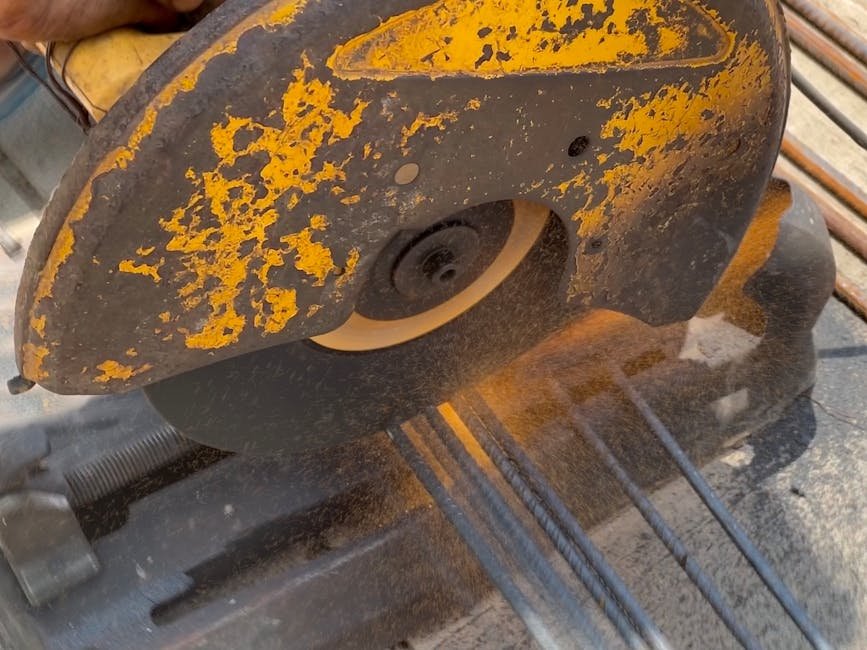
Fact: GFRP rebars can be cut using a diamond blade saw. While they cannot be bent on-site like steel, manufacturers provide prefabricated bends, stirrups, and shapes to meet project needs.
9. Myth: GFRP standards and codes don’t exist.
Fact: Multiple standards already cover GFRP, including ACI 440 (USA), CSA S807 (Canada), ASTM standards, and BIS 18255, BIS 18256, IRC137 in India. These codes provide clear guidelines for safe design and installation.
10. Myth: GFRP rebars are only useful for niche applications.
Fact: GFRP is versatile. It is used in marine, industrial, residential, public infrastructure, hospitals, and airports — anywhere corrosion, lightweight handling, or non-magnetic properties are needed.
Conclusion
Misconceptions often slow down the adoption of innovative materials. GFRP rebars are not just a niche product — they are a proven, durable, and sustainable reinforcement solution for the future of construction. By understanding the facts, engineers and builders can make smarter choices that save money, reduce maintenance, and deliver long-lasting infrastructure.